In the modern financial system, credit scores have become one of the most influential indicators of an individual’s economic position. A credit score is more than just a number generated by financial institutions; it functions as a measure of trust, financial discipline, and repayment behavior. In many countries, including India, the United States, and several European economies, credit scores significantly shape people’s access to loans, housing, insurance, employment opportunities, and entrepreneurial growth. As economies become increasingly dependent on digital banking and credit-based transactions, the importance of credit scores continues to rise.
From an economic perspective, credit scores influence both microeconomic and macroeconomic activities. At the individual level, they determine borrowing costs, financial stability, and consumption patterns. At the national level, they affect banking efficiency, financial inclusion, and economic growth. Economists view credit scoring systems as mechanisms that reduce information asymmetry between lenders and borrowers. Financial institutions use credit scores to predict the probability of loan repayment, thereby minimizing risk and improving credit allocation efficiency.
In India, agencies such as CIBIL, Experian, Equifax, and CRIF High Mark calculate credit scores based on repayment history, credit utilization, loan types, and financial behavior. A high score generally leads to easier access to credit and lower interest rates, while a low score may result in financial exclusion and higher borrowing costs. As digital finance expands rapidly, especially after the growth of fintech platforms and online lending applications, credit scores are becoming central to everyday economic life.

This article examines how credit scores affect economic life from an economic perspective, including their impact on banking, employment, housing, entrepreneurship, consumption, inequality, and overall economic development.
Table of Contents
Understanding Credit Scores
A credit score is a numerical representation of a person’s creditworthiness. It reflects the likelihood that an individual will repay borrowed money on time. Most scoring systems range between 300 and 900, where higher scores indicate lower financial risk.
Credit scores are calculated using several factors:
- Payment history
- Credit utilization ratio
- Length of credit history
- Types of credit accounts
- Number of recent loan applications
Financial institutions rely heavily on these indicators to make lending decisions. A strong credit score suggests responsible financial behavior, while a poor score indicates higher risk. Economists consider credit scoring systems essential tools for improving market efficiency because they help lenders allocate capital more accurately.
Credit-Scores and Access to Loans
One of the most direct economic impacts of credit scores is on loan accessibility. Banks and financial institutions use credit scores to determine whether borrowers qualify for loans. Individuals with high scores are more likely to receive approvals for home loans, education loans, car loans, and personal loans.
People with poor credit scores often face difficulties in obtaining loans or are offered loans with higher interest rates. This creates unequal access to financial resources. A low score may force borrowers to depend on informal lending systems where interest rates are much higher.
From an economic perspective, this process reflects risk-based pricing. Lenders charge different interest rates based on perceived repayment risk. High-credit borrowers enjoy cheaper loans because lenders consider them safer investments. Low-credit borrowers face higher borrowing costs because financial institutions anticipate greater default risk.
For example, two individuals applying for the same home loan may receive different interest rates solely because of differences in their credit scores. Over time, this difference can significantly affect household wealth accumulation.
Influence on Consumption and Consumer Spending
Credit scores strongly influence consumer spending behavior. Modern economies are heavily driven by credit-based consumption. Consumers often use credit cards, EMIs, and installment loans to purchase goods and services before earning sufficient income.
Individuals with strong credit scores can access larger credit limits and lower-interest loans, increasing their purchasing power. This stimulates demand for products such as automobiles, electronics, housing, and education services. As a result, consumer spending contributes to economic growth.
However, people with poor credit scores experience limited access to credit markets. Their purchasing power declines because they cannot finance consumption through affordable loans. Economists argue that restricted access to credit can reduce aggregate demand and slow economic activity.
At the macroeconomic level, credit expansion often increases consumption and boosts GDP growth. However, excessive borrowing without proper regulation may lead to financial crises, as seen during the 2008 global financial crisis.
Credit Scores and Housing Opportunities
Housing markets are significantly influenced by credit scores. Mortgage lenders use credit scores to determine home loan eligibility and interest rates. Individuals with high scores can purchase homes more easily because they qualify for affordable mortgages.
In contrast, low-credit individuals may face rejection or higher mortgage costs. This limits their ability to accumulate wealth through property ownership. Since housing is one of the most important assets in household wealth formation, credit scores directly affect long-term economic security.
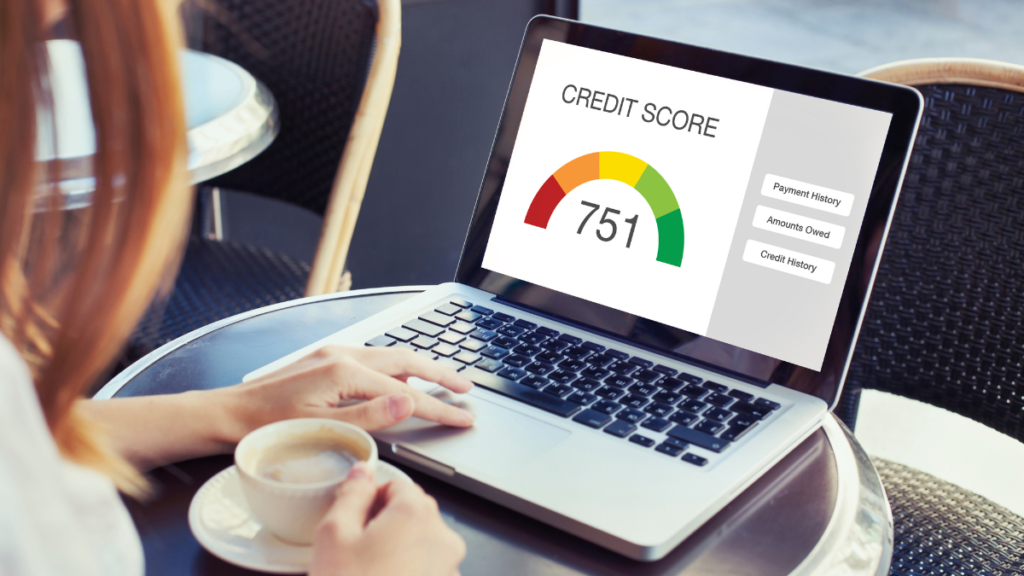
Landlords also increasingly examine credit reports before renting properties. A poor credit history may result in higher security deposits or denial of rental applications.
From an economic viewpoint, this creates a cycle where individuals with weak financial histories face barriers in both ownership and rental housing markets. Consequently, housing inequality often overlaps with financial inequality.
Impact on Employment Opportunities
In several countries, employers review credit histories during recruitment processes, especially for jobs involving financial responsibilities. A poor credit score may negatively affect employment opportunities because employers may interpret financial instability as a sign of irresponsibility.
Although this practice remains controversial, it demonstrates how credit scores extend beyond banking into labor markets. Economists describe this as the expansion of financial indicators into social and professional life.
Employment impacts create a feedback loop. Poor credit can reduce job opportunities, while unemployment can worsen credit scores due to missed payments and debt accumulation. This cycle may trap individuals in long-term financial hardship.
Moreover, workers with strong credit profiles may gain easier access to relocation loans, vehicle financing, and professional development opportunities, indirectly improving career mobility and productivity.
Role in Entrepreneurship and Business Growth
Credit scores play a critical role in entrepreneurship. Small business owners often depend on personal credit histories to secure startup capital. Banks and investors examine creditworthiness before approving business loans.
Research suggests that access to consumer credit positively influences entrepreneurship and business ownership. Individuals with better credit access are more likely to establish firms and expand businesses.
Entrepreneurs with strong credit scores can:
- Obtain business loans more easily
- Secure lower interest rates
- Access larger credit limits
- Build investor confidence
On the other hand, poor credit scores restrict entrepreneurial opportunities. Small businesses may struggle to survive due to limited funding. In developing economies, where collateral-based lending is common, credit scores increasingly act as substitutes for traditional guarantees.
Economically, this affects innovation, employment creation, and industrial growth. A healthy credit ecosystem encourages entrepreneurship, while weak credit access limits economic dynamism.
Credit Scores and Insurance Costs
Insurance companies in several countries use credit-based insurance scoring to determine premiums. Studies suggest that individuals with lower credit scores may pay higher insurance rates because insurers associate poor credit behavior with higher risk.
This practice affects household economic burdens. Higher insurance premiums increase living expenses, reducing disposable income available for savings and consumption.
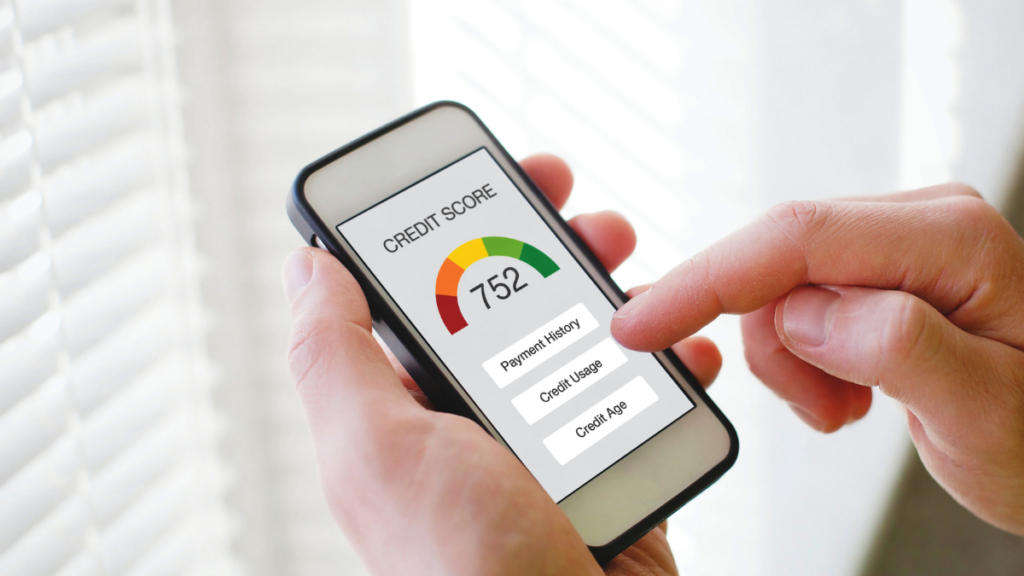
Critics argue that linking credit scores with insurance pricing may reinforce economic inequality because financially disadvantaged groups often experience lower credit scores due to structural factors rather than irresponsible behavior.
Financial Inclusion and Social Inequality
Credit scores significantly influence financial inclusion. Individuals with strong financial histories gain easier access to banking services, while low-income populations often struggle to build credit histories.
Economists identify this issue as a major challenge in developing countries. Many individuals work in informal sectors and lack documented financial transactions. As a result, they remain “credit invisible” despite being economically active.
This situation creates unequal economic opportunities. Wealthier individuals benefit from easier access to cheap credit, enabling investment and asset accumulation. Poorer individuals often rely on informal lenders with exploitative interest rates.
Credit scoring systems may therefore reinforce social inequality when financial access depends heavily on past financial privilege. Scholars argue that unequal access to credit contributes to wealth concentration and intergenerational inequality.
However, digital financial technologies and alternative credit scoring systems are gradually improving financial inclusion. Mobile payment histories, utility bill payments, and fintech-based lending platforms are helping previously excluded populations build financial identities.
Psychological and Social Effects of Credit Scores
Credit scores also affect mental health and social behavior. Individuals with poor scores may experience stress, anxiety, and social pressure due to financial insecurity.
Financial stress can reduce productivity, weaken decision-making abilities, and negatively impact family relationships. Economists studying behavioral economics suggest that financial instability often leads to short-term decision-making and reduced long-term planning.
In societies where creditworthiness becomes linked with social status, people may feel pressured to maintain consumption levels through debt. This can create cycles of borrowing and financial vulnerability.
Credit Scores and Economic Stability
At the macroeconomic level, credit scores contribute to financial stability. By assessing borrower risk accurately, banks reduce default rates and improve the efficiency of lending systems.
Efficient credit allocation supports productive investments and sustainable economic growth. Financial institutions can lend capital to borrowers who are more likely to repay loans, reducing non-performing assets.
However, overdependence on credit scoring systems may create systemic problems. During economic crises, individuals facing unemployment or income shocks may experience sudden declines in credit scores. This reduces access to financial assistance precisely when support is most needed.
Researchers note that economic downturns, bankruptcies, and foreclosures strongly influence credit scores.
Therefore, policymakers must balance risk management with social protection. Excessively strict credit systems may deepen recessions by restricting borrowing during difficult economic periods.
The Growth of Digital Credit Economies
The rise of fintech companies, digital wallets, and online lending platforms has transformed the role of credit scores. Digital economies increasingly rely on automated algorithms to evaluate borrowers.
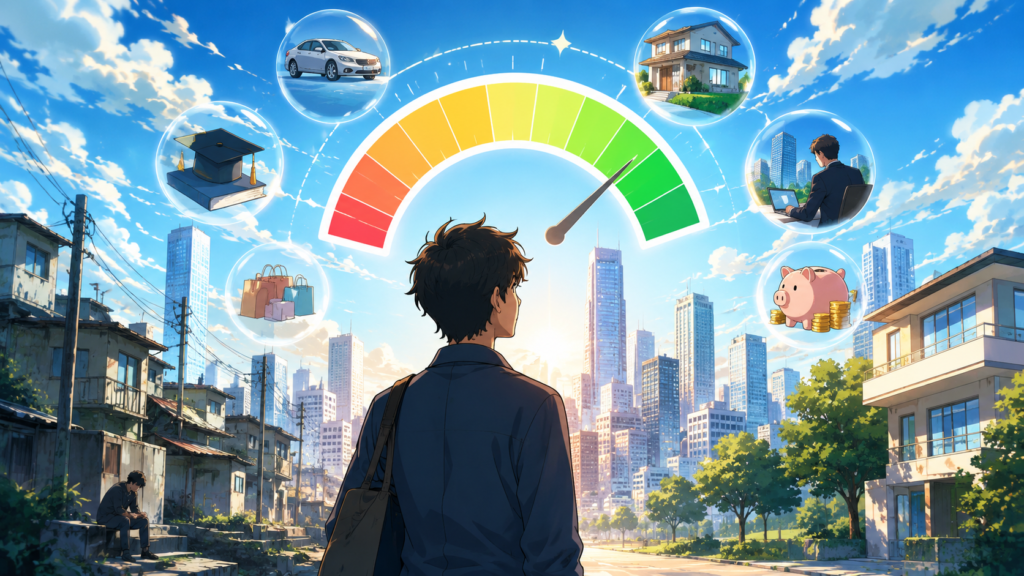
Artificial intelligence and big data now analyze transaction histories, mobile usage patterns, and online behavior to assess creditworthiness. This has expanded financial access for millions of people who previously lacked formal banking records.
In India, the growth of UPI transactions and digital lending platforms has accelerated the importance of credit histories. Young consumers are increasingly aware that financial behavior affects future economic opportunities.
However, digital credit systems also raise concerns regarding privacy, data misuse, and algorithmic discrimination. Economists warn that unregulated digital scoring models may unfairly penalize vulnerable populations.
Improving Credit Scores and Financial Health
Improving credit scores is essential for long-term economic well-being. Individuals can strengthen their financial profiles through responsible borrowing and repayment behavior.
Important strategies include:
- Paying EMIs and bills on time
- Maintaining low credit utilization
- Avoiding unnecessary loan applications
- Monitoring credit reports regularly
- Diversifying credit responsibly
Financial literacy programs also play a crucial role. Many individuals lack awareness about how credit systems function. Governments and financial institutions should promote education regarding responsible borrowing and debt management.
Conclusion
Credit scores have become powerful economic instruments shaping modern financial life. They influence access to loans, employment opportunities, housing, insurance, entrepreneurship, and overall financial stability. From an economic perspective, credit scores improve market efficiency by helping lenders assess risk and allocate capital effectively.
At the same time, credit scoring systems can reinforce inequality when disadvantaged populations lack access to formal financial systems. Poor credit scores often lead to higher borrowing costs, restricted opportunities, and long-term financial exclusion. Therefore, while credit scores promote economic efficiency, they also raise important questions regarding fairness and social justice.
In the digital age, credit scores are becoming even more influential as fintech companies and digital platforms integrate financial data into everyday transactions. Policymakers must ensure that credit systems remain transparent, inclusive, and ethically regulated.
Ultimately, credit scores affect not only individual economic lives but also broader patterns of economic development, social mobility, and financial stability. Understanding their impact is essential for building more inclusive and sustainable economies.
FAQs About How Credit Scores Affect Economic Life
1. What is a credit-score?
A credit score is a numerical measure of an individual’s creditworthiness based on borrowing and repayment behavior.
2. Why are credit-scores important in economic life?
They influence loan approvals, interest rates, housing opportunities, employment prospects, and financial stability.
3. How do credit-scores affect loan interest rates?
Higher credit scores usually lead to lower interest rates because lenders consider such borrowers less risky.
4. Can poor credit-scores affect employment?
Yes, some employers review credit histories during recruitment, especially for finance-related positions.
5. How do credit-scores impact housing markets?
Mortgage lenders and landlords often use credit scores to evaluate applicants for home loans and rentals.
6. What is considered a good credit-score in India?
Generally, a score above 750 is considered strong by most financial institutions.
7. How do credit-scores affect entrepreneurship?
Entrepreneurs with better credit scores can access business loans more easily and at lower costs.
8. Can credit-scores influence insurance premiums?
Yes, some insurers use credit-based scoring to determine risk and set premium rates.
9. What factors affect credit-scores?
Payment history, credit utilization, credit age, loan mix, and recent inquiries affect scores.
10. Do credit-scores impact economic inequality?
Yes, unequal access to credit can increase wealth disparities and financial exclusion.
11. How can someone improve their credit-score?
Timely repayments, responsible borrowing, and regular credit monitoring help improve scores.
12. What happens if a credit-score is very low?
Borrowers may face loan rejections, high interest rates, and limited financial opportunities.
13. Are credit-scores important in digital finance?
Yes, fintech platforms increasingly rely on credit data for automated lending decisions.
14. How do economic crises affect credit-scores?
Unemployment, bankruptcies, and missed payments during crises can reduce credit scores significantly.
15. Can financial literacy improve credit behavior?
Yes, financial education helps individuals manage debt responsibly and maintain healthier credit profiles.