Introduction
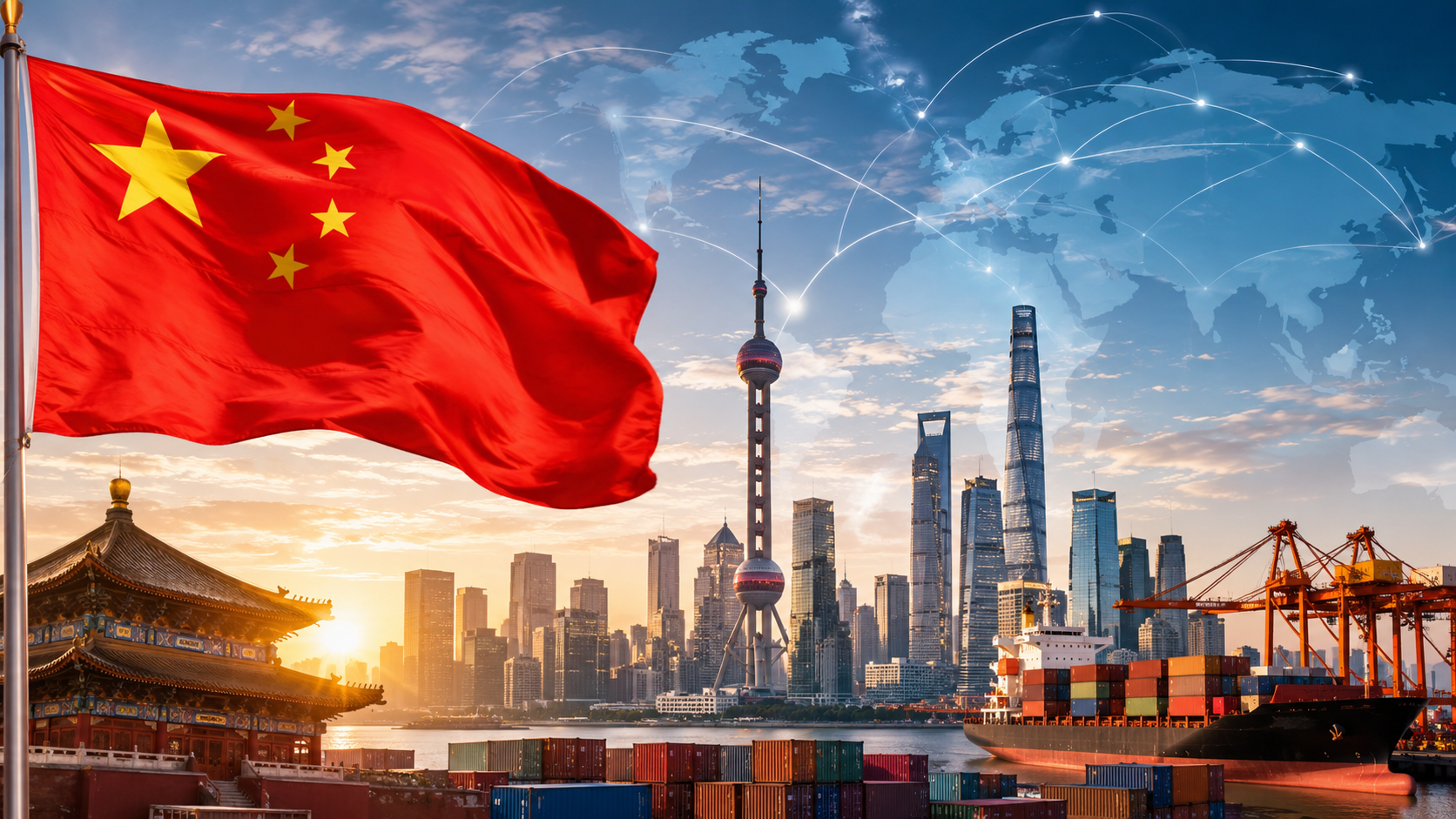
The rise of China in the global economy is one of the most significant economic developments of the modern era. Within a few decades, China transformed itself from a relatively poor and isolated country into the world’s second-largest economy and a major center of global trade, manufacturing, investment, and technological innovation. This remarkable transformation has reshaped international economic relations, altered global production networks, and influenced the balance of economic power across the world.
China’s economic rise has not only improved the living standards of hundreds of millions of its citizens but has also had profound effects on global markets, international trade, and economic governance. Today, China plays a crucial role in global supply chains, international financial institutions, and emerging technological sectors. Understanding the factors behind China’s economic success and its implications for the world economy is essential for students of economics and international development.

Table of Contents
Historical Background of China’s Economic Development
Before the late twentieth century, China was primarily an agrarian economy with limited industrialization. Following the establishment of the People’s Republic of China in 1949, the government adopted a centrally planned economic system. While this system helped build basic industries and infrastructure, economic growth remained relatively slow compared to many other countries.
A turning point came in 1978 when Chinese leader Deng Xiaoping introduced a series of economic reforms known as the “Reform and Opening-Up Policy.” These reforms marked the beginning of China’s transition from a centrally planned economy toward a market-oriented system.
The reforms encouraged private enterprise, foreign investment, agricultural modernization, and international trade. Special Economic Zones (SEZs) were established in coastal regions to attract foreign businesses and promote export-oriented industrialization. These measures laid the foundation for China’s rapid economic growth over the following decades.
Economic Reforms and Market Liberalization
China’s economic success is closely linked to its gradual approach to market reforms. Unlike some countries that implemented rapid economic liberalization, China adopted a gradual and controlled strategy.
The agricultural sector was among the first areas to experience reform. Farmers were allowed greater control over production and profits through the Household Responsibility System. Increased agricultural productivity generated surplus labor and capital that contributed to industrial development.
In the industrial sector, state-owned enterprises were restructured, while private businesses gained greater freedom to operate. The government encouraged competition, innovation, and efficiency while maintaining strategic control over key sectors such as energy, telecommunications, and finance.
China also reduced barriers to foreign investment. Multinational corporations were invited to establish manufacturing facilities, bringing capital, technology, and management expertise. These reforms significantly increased productivity and accelerated economic growth.
Integration into the Global Economy
One of the most important aspects of China’s rise has been its integration into the global economy. China actively pursued international trade and investment opportunities, transforming itself into a major participant in global markets.
The country’s accession to the World Trade Organization in 2001 was a landmark event. WTO membership provided Chinese exporters with greater access to international markets and encouraged further economic reforms.
As trade expanded, China became known as the “world’s factory.” Manufacturing industries flourished due to abundant labor, efficient infrastructure, and competitive production costs. Chinese factories produced a vast range of goods, including electronics, textiles, machinery, household products, and industrial equipment.
The growth of exports generated significant foreign exchange earnings and contributed to sustained economic expansion. China became one of the world’s largest trading nations, maintaining strong economic relationships with countries across Asia, Europe, Africa, and the Americas.
Manufacturing and Industrial Growth
Manufacturing has been a major driver of China’s economic rise. The country’s industrial sector expanded rapidly as both domestic and foreign firms invested in production facilities.
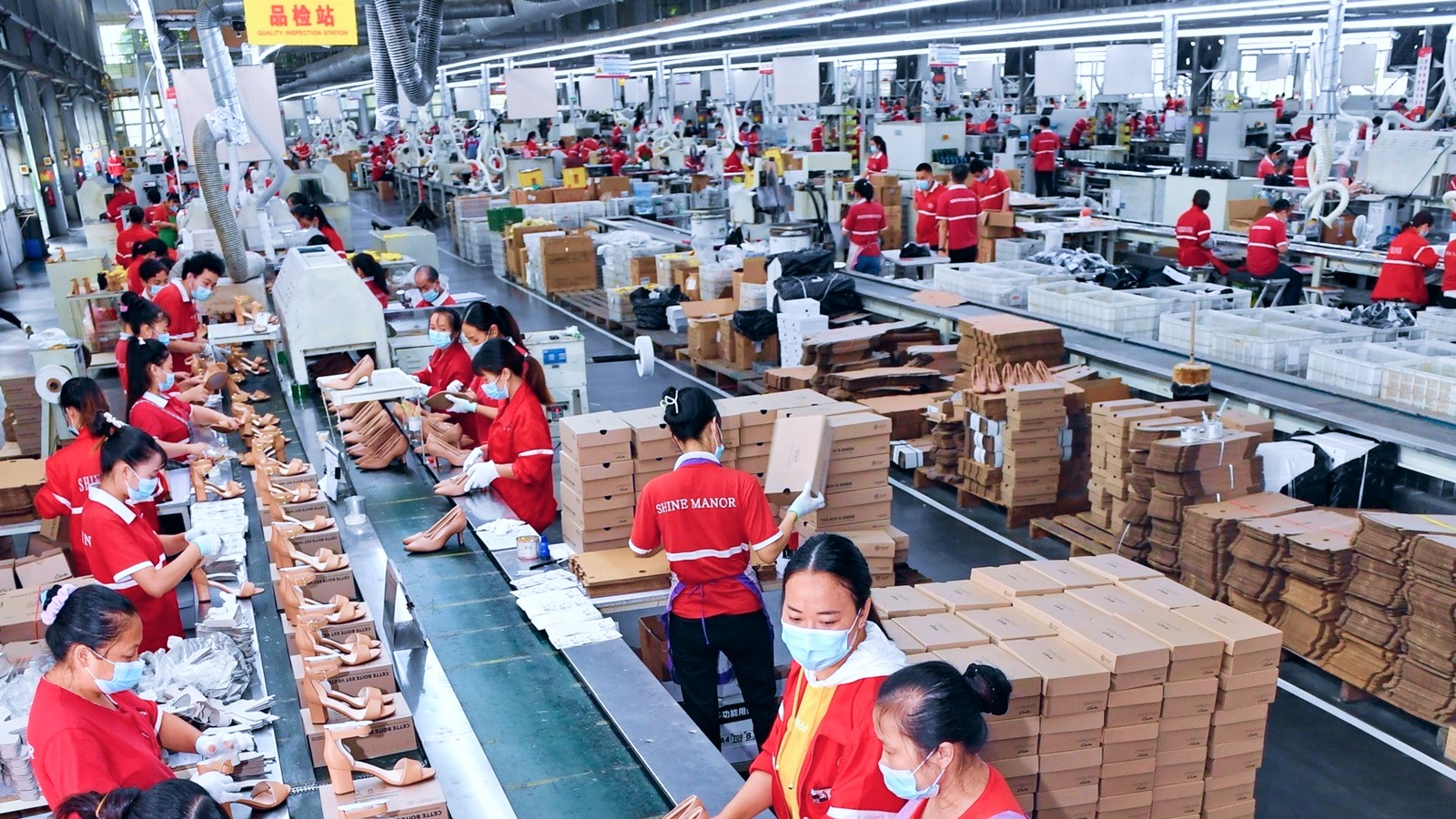
Several factors contributed to manufacturing success:
- Large labor force
- Government support for industrial development
- Significant investment in infrastructure
- Efficient transportation networks
- Access to global markets
China developed extensive industrial clusters that improved productivity and reduced production costs. Cities such as Shenzhen, Shanghai, and Guangzhou became major centers of manufacturing and innovation.
Over time, China moved beyond low-cost manufacturing and began producing more sophisticated goods, including high-speed trains, telecommunications equipment, renewable energy technologies, and advanced electronics.
Foreign Direct Investment and Capital Formation
Foreign Direct Investment (FDI) has played a critical role in China’s economic development. By creating favorable investment conditions, China attracted multinational corporations seeking access to its large labor force and growing consumer market.
FDI brought several benefits:
- Capital accumulation
- Technology transfer
- Skill development
- Employment generation
- Integration into global production networks
Foreign companies established factories, research centers, and joint ventures throughout China. This investment helped modernize industries and improve productivity.
At the same time, China’s high domestic savings rate contributed to substantial capital formation. Strong investment in infrastructure, factories, transportation systems, and urban development created a foundation for long-term economic growth.
Infrastructure Development
China’s impressive infrastructure development has been a key factor behind its economic success. The government invested heavily in transportation, energy, communication, and urban infrastructure.
Today, China possesses one of the world’s largest networks of:
- High-speed railways
- Modern highways
- International airports
- Deep-water ports
- Digital communication systems
Infrastructure investment reduced transportation costs, improved connectivity, and facilitated trade and industrial production.
Projects such as the extensive high-speed rail network have enhanced domestic economic integration by connecting major cities and regional markets. Efficient infrastructure continues to support China’s competitiveness in global trade.
Urbanization and Labor Transformation
Rapid urbanization has been another important element of China’s economic rise. Millions of people migrated from rural areas to urban centers in search of employment opportunities.
Urbanization contributed to economic growth by:
- Expanding the industrial workforce
- Increasing productivity
- Stimulating consumer demand
- Encouraging innovation and entrepreneurship
The growth of urban centers created large markets for housing, transportation, education, healthcare, and consumer goods. Rising incomes contributed to the expansion of China’s middle class, which has become an increasingly important driver of domestic consumption.
The transformation of labor from agriculture to manufacturing and services significantly increased overall economic productivity.
Technology and Innovation
China’s economic strategy has increasingly focused on technology and innovation. While early growth relied heavily on labor-intensive manufacturing, the country now seeks to become a global leader in advanced technologies.
Government policies support research and development in areas such as:
- Artificial intelligence
- Robotics
- Biotechnology
- Renewable energy
- Telecommunications
- Semiconductors
Chinese companies have become major global competitors in technology sectors. Firms invest heavily in innovation and contribute significantly to scientific research and technological advancement.
The growth of the digital economy has further strengthened China’s economic position. E-commerce, mobile payments, digital services, and online platforms have transformed consumer behavior and business operations.
China’s Role in Global Trade
China occupies a central position in global trade networks. It is one of the largest exporters and importers in the world.
Chinese exports include:
- Electronics
- Machinery
- Textiles
- Consumer goods
- Industrial equipment
Imports include:
- Energy resources
- Raw materials
- Agricultural products
- Advanced technologies
China’s participation in global trade has contributed to lower production costs and increased product availability worldwide. At the same time, many countries have become economically interconnected with China through trade relationships and supply chains.
The country’s economic influence extends far beyond its national borders, affecting global prices, investment flows, and production patterns.
Belt and Road Initiative
An important aspect of China’s growing global influence is the Belt and Road Initiative. Launched in 2013, this initiative aims to enhance connectivity and economic cooperation through infrastructure investment across Asia, Africa, Europe, and other regions.
The initiative includes investments in:
- Roads
- Railways
- Ports
- Energy facilities
- Industrial parks
Supporters argue that the initiative promotes economic development and regional integration. Critics, however, raise concerns about debt sustainability and geopolitical influence.
Regardless of differing perspectives, the Belt and Road Initiative demonstrates China’s growing role in shaping global economic development.
Impact on the Global Economy
China’s rise has produced far-reaching effects on the global economy.
Positive Impacts
China’s economic growth has contributed significantly to global economic expansion. The country has become a major market for goods and services from around the world.
Other positive effects include:
- Reduction of global poverty
- Expansion of international trade
- Increased investment opportunities
- Lower consumer prices through efficient manufacturing
- Enhanced global production networks
China has also become an important source of development finance and infrastructure investment for many developing countries.
Challenges and Concerns
Despite its achievements, China’s rise has generated several concerns.
These include:
- Trade imbalances
- Industrial overcapacity
- Intellectual property disputes
- Environmental degradation
- Geopolitical tensions
Some countries worry about dependence on Chinese supply chains and manufacturing capacity. Trade disputes have occasionally emerged over market access, tariffs, and competition policies.
Balancing economic cooperation with strategic competition remains a significant challenge in international economic relations.
Environmental Challenges
Rapid industrialization has created substantial environmental pressures. Economic growth has contributed to air pollution, water pollution, resource depletion, and greenhouse gas emissions.
Recognizing these challenges, China has increasingly emphasized sustainable development and environmental protection. The government has invested heavily in renewable energy, electric vehicles, and green technologies.
China is now one of the world’s largest investors in solar and wind energy. Efforts to achieve carbon reduction and environmental sustainability are becoming increasingly important components of its economic strategy.
Future Prospects of China’s Economy
The future of China’s economy presents both opportunities and challenges.
Several factors will influence future growth:
- Technological innovation
- Demographic changes
- Productivity improvements
- Domestic consumption
- International trade relations
- Environmental sustainability
China’s population is aging, which may reduce labor force growth. Rising wages may also affect manufacturing competitiveness. To maintain economic expansion, greater emphasis will likely be placed on innovation, automation, and high-value industries.
The transition from export-led growth to consumption-driven development is expected to continue. Expanding domestic demand may help reduce dependence on external markets and create a more balanced economic structure.
Furthermore, China’s growing influence in finance, technology, and international institutions suggests that it will remain a major force in shaping the future global economy.
Conclusion
The rise of China in the global economy represents one of the most remarkable economic transformations in history. Through market-oriented reforms, industrialization, foreign investment, infrastructure development, and integration into global trade networks, China has achieved unprecedented economic growth and development.
Its emergence as a major economic power has reshaped international trade, production systems, investment flows, and economic governance. While challenges such as environmental sustainability, demographic shifts, and geopolitical tensions remain, China’s economic influence continues to expand.
For economists, policymakers, and students, China’s experience offers valuable insights into economic development, globalization, industrial policy, and international economic relations. The country’s journey from a developing nation to a global economic powerhouse will remain a defining feature of the twenty-first-century world economy.
FAQs on Rise of China in the Global Economy
1. What is the Rise of China in the global economy?
The Rise of China refers to China’s transformation from a developing economy into one of the world’s largest economic powers through rapid industrialization, trade expansion, and technological advancement.
2. When did the Rise of China begin?
The Rise of China is generally traced to the economic reforms initiated in 1978 under Deng Xiaoping, which introduced market-oriented policies and opened the country to foreign investment.
3. What factors contributed to the Rise of China?
Major factors behind the Rise of China include economic reforms, export-led growth, foreign direct investment, infrastructure development, a large labor force, and technological innovation.
4. How did globalization support the Rise of China?
Globalization enabled the Rise of China by providing access to international markets, foreign capital, advanced technologies, and global supply chains.
5. Why is the Rise of China important for the world economy?
The Rise of China has reshaped global trade, manufacturing, investment patterns, and economic governance, making China a key player in international economic affairs.
6. How did WTO membership accelerate the Rise of China?
China’s entry into the World Trade Organization (WTO) in 2001 expanded market access for Chinese goods and encouraged greater integration into the global economy, strengthening the Rise of China.
7. What role has manufacturing played in the Rise of China?
Manufacturing has been central to the Rise of China, helping the country become a leading exporter of electronics, machinery, textiles, and consumer products.
8. How has foreign direct investment influenced the Rise of China?
Foreign direct investment brought capital, technology, management expertise, and employment opportunities, significantly contributing to the Rise of China.
9. What is the relationship between urbanization and the Rise of China?
Rapid urbanization has supported the Rise of China by increasing industrial productivity, expanding domestic markets, and creating a large urban workforce.
10. How has technology contributed to the Rise of China?
Technology has strengthened the Rise of China through innovation in artificial intelligence, e-commerce, telecommunications, renewable energy, and digital services.
11. What challenges accompany the Rise of China?
Challenges associated with the Rise of China include environmental concerns, demographic changes, trade disputes, rising labor costs, and geopolitical tensions.
12. How has the Rise of China affected developing countries?
The Rise of China has increased trade opportunities, infrastructure investment, and economic cooperation for many developing countries, particularly in Asia and Africa.
13. What is the Belt and Road Initiative’s role in the Rise of China?
The Belt and Road Initiative enhances the Rise of China by expanding economic connectivity, infrastructure development, and trade links across multiple continents.
14. How does the Rise of China influence global supply chains?
The Rise of China has made the country a central hub in global supply chains, influencing production, logistics, and international commerce.
15. What is the future of the Rise of China?
The future of the Rise of China will depend on innovation, sustainable development, domestic consumption, demographic trends, and China’s ability to adapt to changing global economic conditions.